When a ductless unit stops keeping up on a hot day, the cause is usually mundane and fixable. Here is how a technician thinks through it, from the simple checks to the ones that need a pro.
A mini split that cannot keep up on a ninety-degree afternoon is a miserable thing to live with, and it rarely fails all at once. More often it fades. The room that used to be comfortable at seventy-two now hangs at seventy-eight no matter what you set the remote to, the unit runs constantly, and you find yourself wondering whether it is on its last legs. Most of the time it is not. When we get this call, we work through the possibilities in a rough order, from the cheap and simple to the ones that need a technician. Here is that same thought process so you can understand what is happening in your own home.
Start with the settings, honestly
I know it sounds obvious, but the first thing worth ruling out is the remote. Ductless remotes are easy to bump into the wrong mode. A unit set to fan-only will happily blow room-temperature air all day. One nudged into heat or auto can fight you in the summer. Make sure it is in cool mode, the setpoint is genuinely low, and the fan is on a normal speed. It costs nothing to check, and it saves a surprising number of service calls.
The most likely real cause: airflow
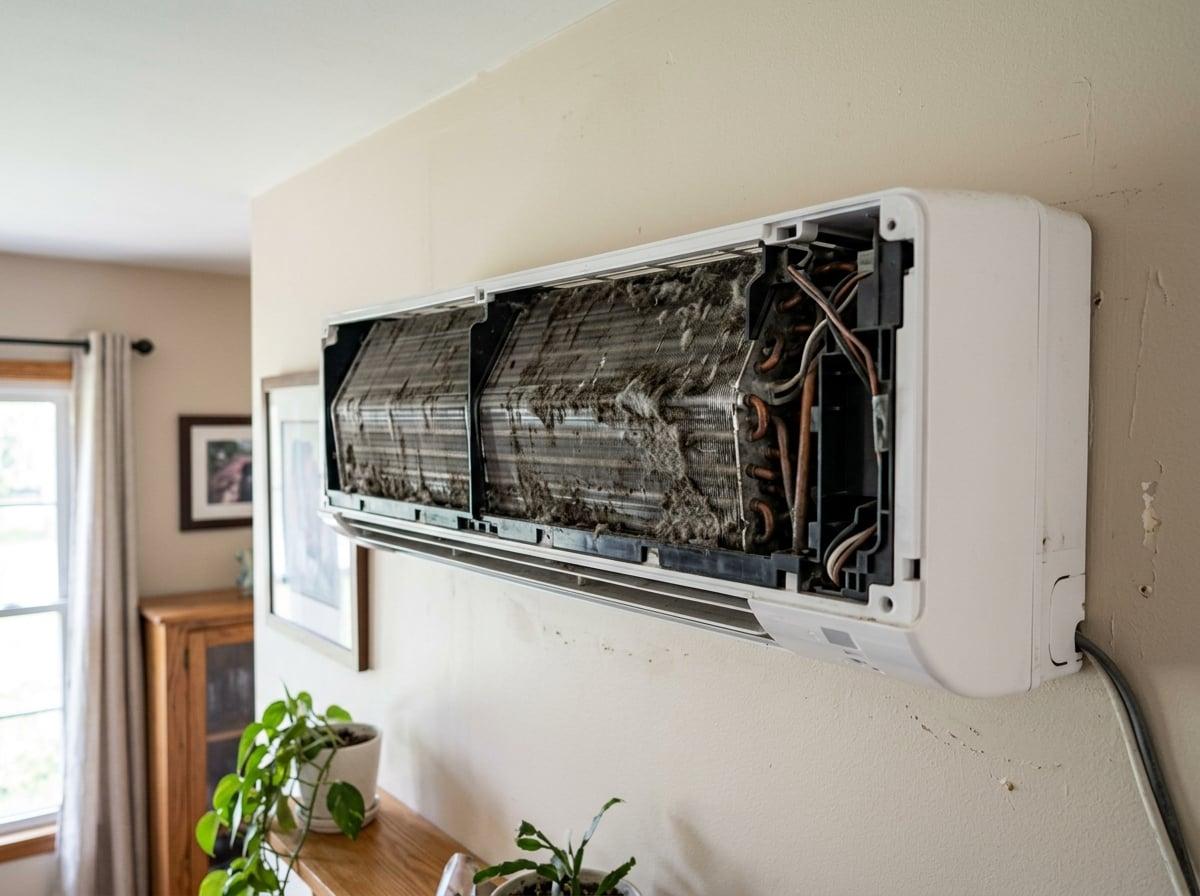
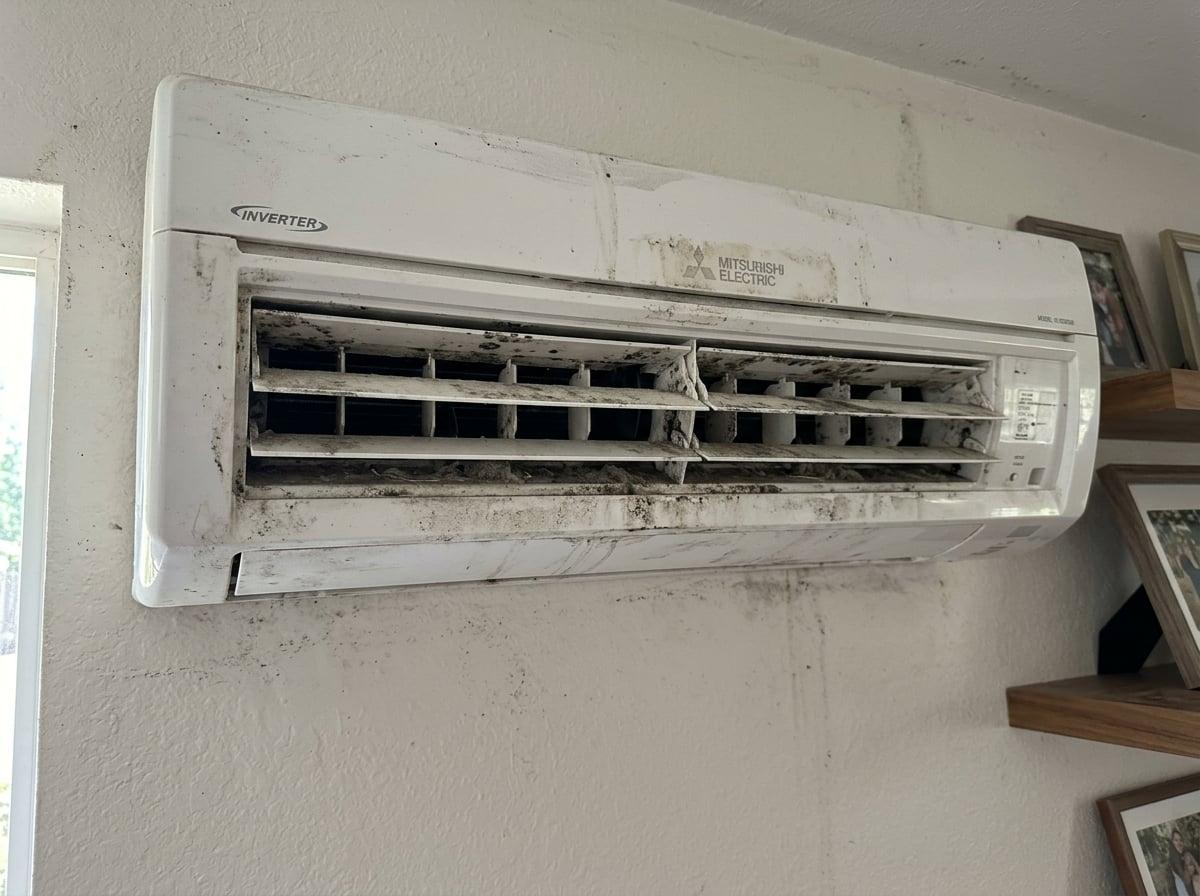
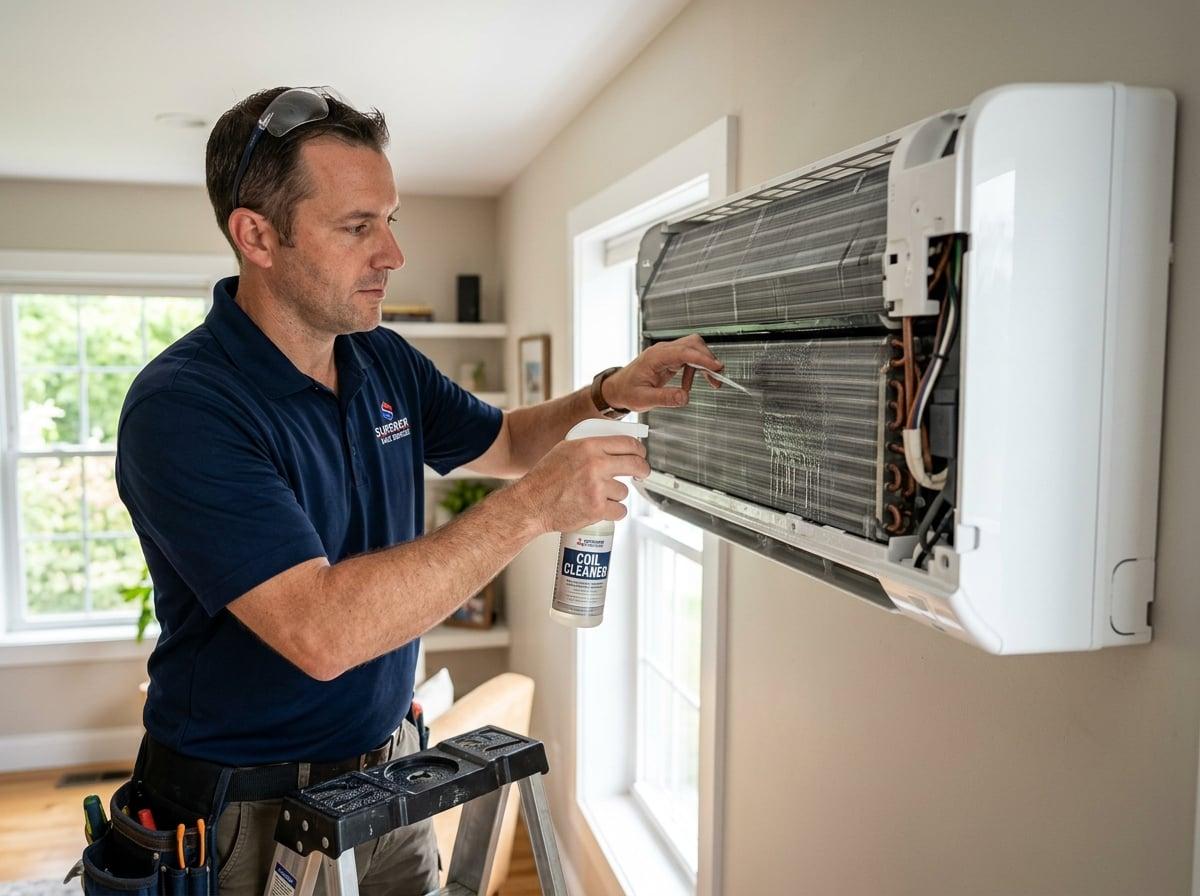
Assuming the settings are right, the single most common reason a mini split stops cooling well is restricted airflow, and that almost always traces back to dirt. It builds up in three places. First the filters, which clog with dust and choke the intake. Behind them, the evaporator coil grows a film of grime that insulates it and keeps it from absorbing heat efficiently. And the blower wheel, the fan that moves the air, cakes up until each vane is moving a fraction of what it should.
Any one of these hurts performance. Together they can cut a unit's output dramatically while it runs longer and longer trying to catch up. I have measured units that were barely moving air, cleaned them, and watched the temperature of the air coming out drop by ten degrees or more, with no other change. This is the version of the problem homeowners can most easily prevent, and the one that most often gets mistaken for a dying system.
- Filters clogged with dust starve the whole system of air.
- A grimy coil cannot pull heat out of the air efficiently.
- A caked blower wheel moves far less air per rotation.
- The unit compensates by running constantly, driving up your bill.
Do not forget the unit outside
The indoor head gets all the attention, but the outdoor condenser is doing the actual heat rejection, and it lives in the weather. Grass clippings, leaves, cottonwood fluff, and dryer lint pack into its fins and block the airflow it needs to dump heat outside. If that unit is buried in vegetation or coated in debris, the whole system suffers no matter how clean the inside is. Keep at least a couple of feet clear around it and rinse the fins gently if they are visibly dirty.
When it is refrigerant, and why that is different
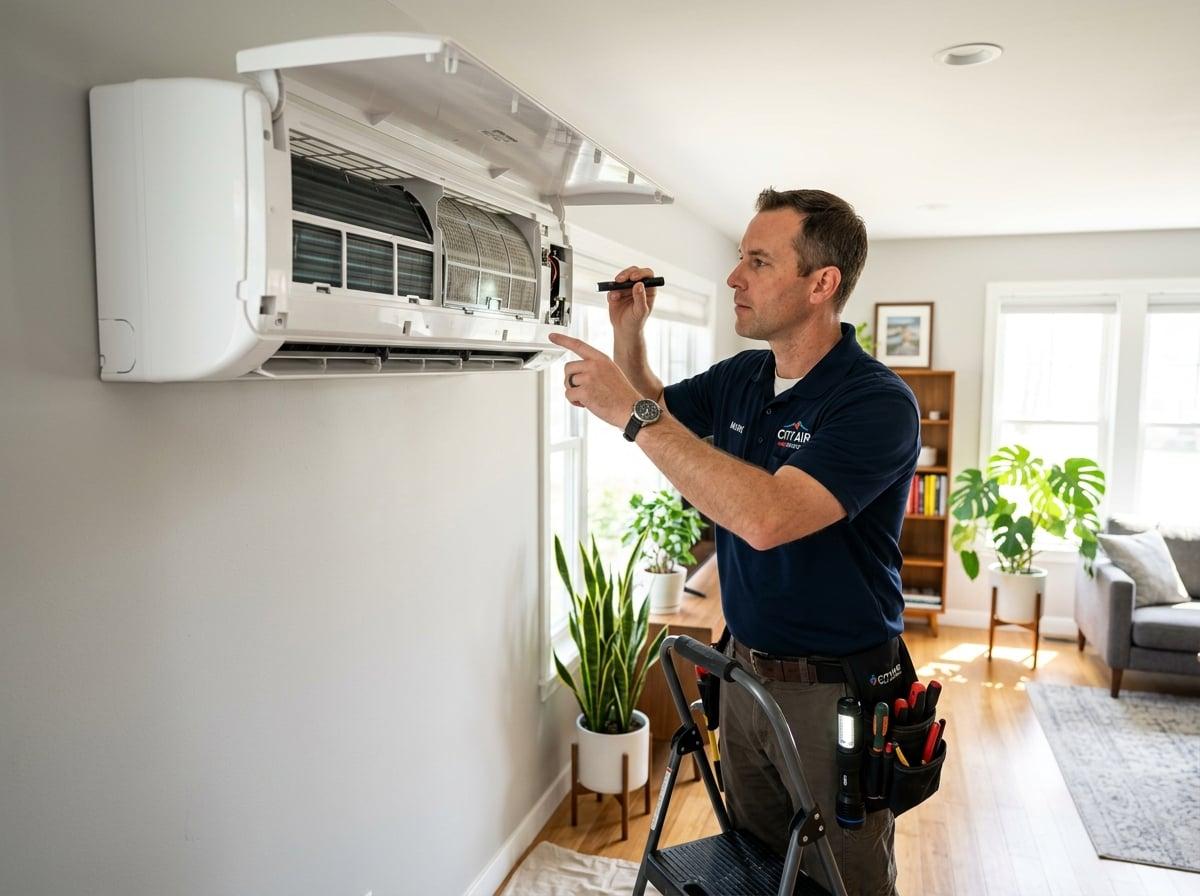
If the airflow is good, the filters and coils are clean, and the unit still will not cool, the conversation turns to refrigerant. A mini split is a sealed system, and it does not consume refrigerant the way a car burns fuel. So if the charge is low, it means there is a leak somewhere. Signs include ice forming on the copper lines or the indoor coil, a hissing sound, or air that is only mildly cool no matter what. This is not a DIY area and not something to top off and forget. Refrigerant is regulated, the leak has to be found and repaired, and the system recharged to spec by a licensed tech. Ignoring a slow leak eventually damages the compressor, which is the most expensive part on the system.
Sizing and age, the honest caveats
Two last things worth naming. Occasionally a unit simply is not big enough for the space it is being asked to cool, especially in a converted room or an addition, and it will struggle on the hottest days no matter how well it is maintained. And like anything mechanical, a mini split does age. But those are the exceptions. In our experience the overwhelming majority of weak-cooling complaints come down to dirt and airflow, which is genuinely good news, because that is the fixable kind.
Before you assume a mini split is dying, assume it is dirty. Nine times out of ten, that is the honest answer.
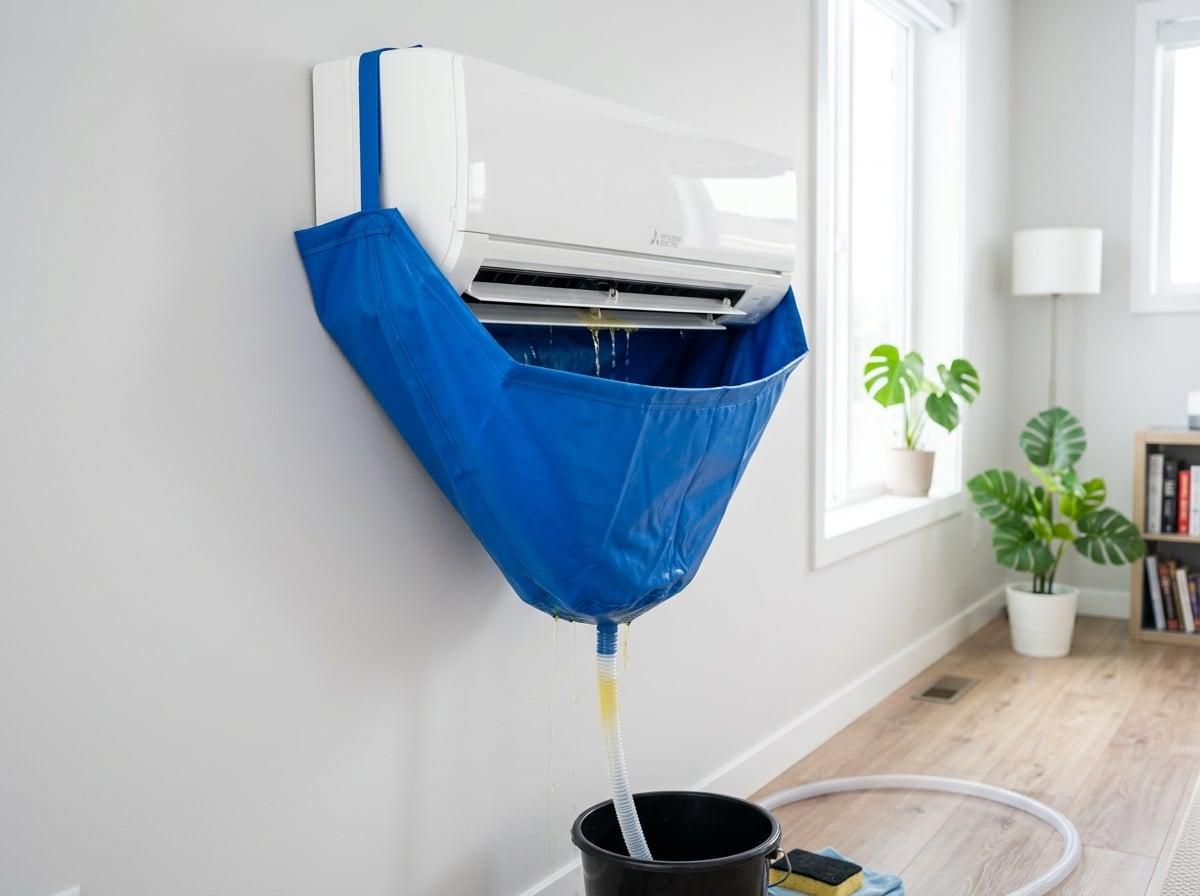
If you have checked the settings, rinsed the filters, and cleared the outdoor unit and it still is not keeping up, that is the point to bring in a professional. A thorough cleaning of the coil and blower wheel restores most units to their original performance, and if something deeper like refrigerant is involved, a technician can diagnose it properly rather than guessing.
Greenville Mini Split Cleaning Editorial Team
Service guides
Practical guides about ductless mini split cleaning, maintenance, and indoor air quality for Greenville-area homeowners.
Want this handled by a pro?
We clean and service ductless mini splits throughout Greenville and the Upstate.
Get a Free Quote